

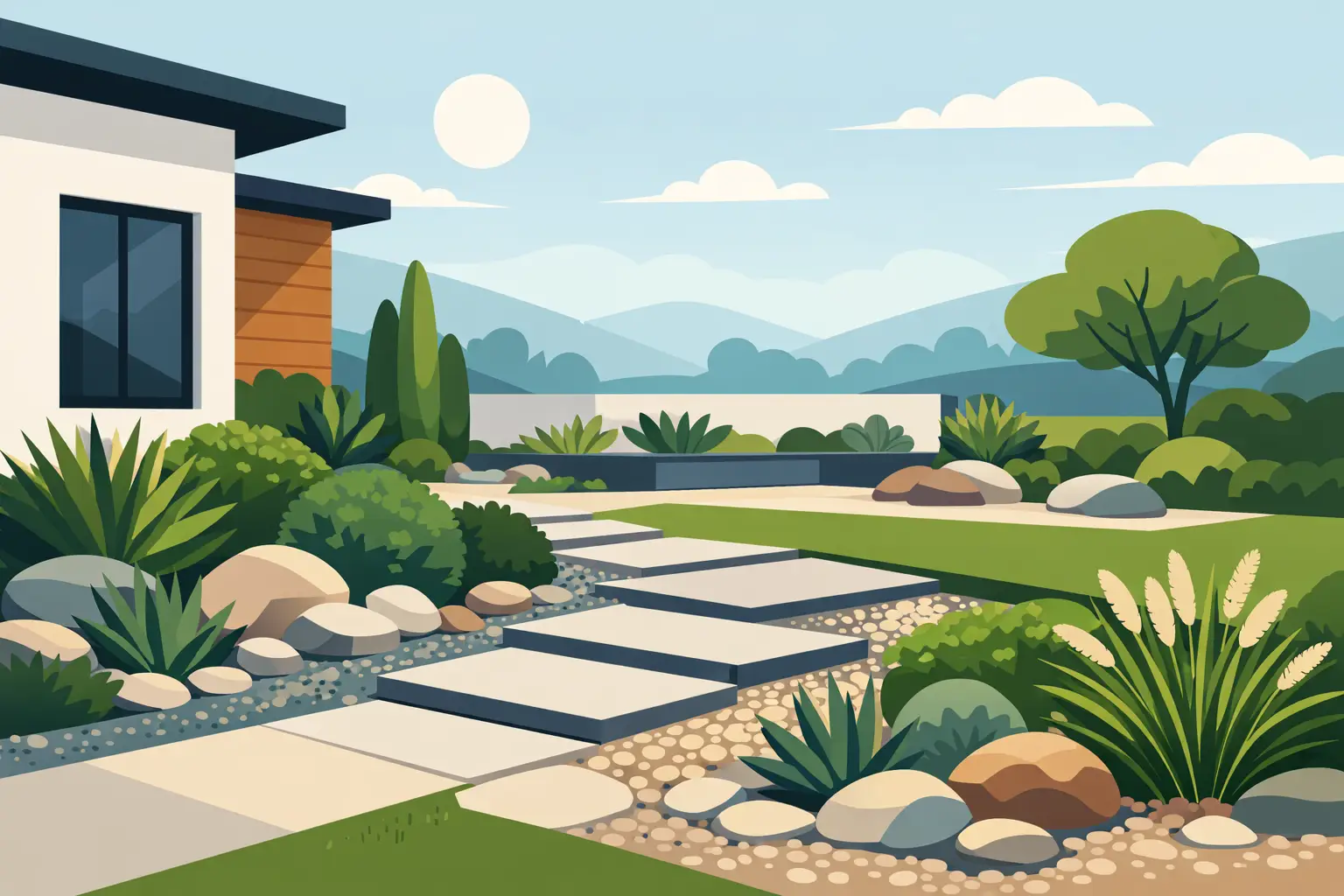
A front yard should make coming home feel good, not add another job to the weekend list. The best low maintenance front yard landscaping gives your Melbourne property a neat, welcoming street presence while leaving more time for family barbecues, kids, pets and simply enjoying the space.
That does not mean covering every square metre with concrete or settling for a plain yard. It means choosing hard-wearing materials, plants suited to local conditions and a layout that is easy to access, clean and maintain. For new-build blocks in Mickleham, Truganina, Wollert, Mernda and Donnybrook, getting these decisions right early can prevent costly changes later.
Start With a Layout That Works
Many front yards become high-maintenance because the layout was treated as an afterthought. Narrow garden beds, awkward lawn shapes and paths that stop short of gates all create extra edging, mowing and cleaning. A practical design starts with how people actually move around the property.
Consider the route from the driveway to the front door, where bins are stored, how visitors enter and whether children or pets will use the side access. A clear paved path and a well-positioned gate can make the whole frontage feel more organised. It also protects planting areas from being walked over and reduces muddy patches during Melbourne’s wetter months.
Keep garden beds broad and simple rather than creating lots of small islands. One or two generous beds along a fence line or façade are easier to mulch, weed and water than several fussy shapes scattered through the lawn. Curves can look great, but they should be gentle enough to edge without turning every tidy-up into a long task.
On sloping or uneven sites, retaining walls can be a practical part of the design rather than just a structural fix. They create level planting zones, help control soil movement and provide a clean border between lawn, paving and garden beds. The right wall can turn a difficult block into a front yard that looks intentional and stays easier to manage.
Choose Surfaces Built for Daily Life
Hard surfaces reduce maintenance when they are used thoughtfully. Paving, exposed aggregate or well-finished concrete can create a durable entry path, a tidy area beside the driveway or a stable place for bins. They also give a property a more finished look, especially when paired with defined garden edges and healthy planting.
There is a trade-off. Too much hardscape can increase heat around the home and leave the frontage looking stark. Balance paved areas with planting beds, lawn or groundcovers, and make sure drainage is considered before work begins. Water should flow away from the house and not collect along paths, gates or garage entries.
Quality preparation matters as much as the finished surface. A path laid on poor ground may move, crack or hold water, creating repairs instead of saving maintenance. For aging concrete, professional cleaning and maintenance can sometimes lift the appearance without a full replacement. Where replacement is needed, a properly planned concrete or paving upgrade offers a strong, easy-care foundation for the whole landscape.
Low Maintenance Front Yard Landscaping Needs the Right Plants
A low-care garden is not a garden with no plants. Plants soften fences and driveways, add colour and give a front yard the welcoming character that hard surfaces alone cannot provide. The key is to avoid choosing plants solely because they look good in the nursery.
For Melbourne conditions, select varieties that suit the sunlight, soil and space available at your home. A plant that needs constant trimming to stay off a path or out of a window is not low maintenance, no matter how attractive it looks on day one. Native and drought-tolerant choices are often sensible options, but they still need correct spacing and establishment watering.
When planning a simple planting palette, look for plants with these qualities:
- They tolerate the amount of sun or shade your frontage receives.
- Their mature size suits the bed without regular hard pruning.
- They are suited to local rainfall and can handle dry periods once established.
- They offer useful coverage, structure or seasonal interest without being overly delicate.
Layering a few reliable plant types usually works better than filling beds with many different varieties. For example, a row of compact shrubs for structure, lower groundcovers to cover bare soil and one feature plant near the entry can look polished without needing constant attention. Repeating the same plants also creates a calmer, more considered result.
Avoid placing thirsty plants beneath eaves where rain rarely reaches, or putting dense shrubs against pathways where they will quickly spill over. These small placement decisions are often what separate an easy-care garden from one that always looks like it needs a cut back.
Reduce Weeding Before It Starts
Weeds thrive in exposed soil, thin mulch and gaps between plants. If your front garden has become a patchwork of weeds, the answer is rarely more weekend pulling. It is usually better bed preparation and coverage.
A quality mulch layer helps retain moisture, moderates soil temperature and makes new weeds easier to spot and remove. It also gives garden beds a finished appearance that complements paving, turf and feature walls. Mulch will need topping up over time, but that is far easier than constantly trying to recover bare soil.
Groundcovers can do valuable work as they establish, shading the soil and reducing room for weeds. They need enough room to spread, however. Crowding plants for an instantly full look can lead to poor airflow, disease and more pruning later.
Edging is another detail with a big payoff. A defined edge between lawn, gravel, paving and garden beds stops materials drifting into each other and makes mowing cleaner. It is a small construction feature that keeps the entire frontage looking sharper.
Be Realistic About Lawn and Turf
A green lawn can be perfect for families, especially if children need somewhere to play before heading out the door. But lawn is usually the most regular maintenance item in a front yard. It needs mowing, edging, watering and occasional repairs, particularly in high-traffic spots.
The solution is not always removing it completely. A smaller, straightforward turf area with easy mower access is often more useful than a large lawn broken into narrow strips around paths and beds. For a formal, low-care look, use turf as one clean shape and let planting beds and paved paths do the rest of the work.
Artificial turf may suit some households where natural grass struggles, but it still needs occasional cleaning, brushing and attention to leaves or pet mess. It can also become hot in direct summer sun. The best choice depends on how the space will be used, not just how often you want to mow.
Add Privacy and Street Appeal With Purpose
A low-maintenance front yard should feel secure and welcoming. Fencing, gates and screening can improve privacy, contain pets and frame the property, but they should match the scale of the home and not make the entry feel closed off.
A timber-look, metal or rendered feature wall can create a strong focal point with far less upkeep than a densely planted hedge. Pair it with a simple planting bed and a clear path to the door, and the entry immediately feels more complete. If you do choose a hedge, allow enough space for it to mature and be trimmed from your side of the boundary.
Lighting, letterboxes and house numbers are worth considering during the planning stage too. These finishing details are easier to integrate when paths, fencing and garden beds are being installed together rather than added one at a time.
Build It as One Connected Project
Front-yard upgrades often involve more than planting. You may need a retaining wall before turf can be laid, a gate before pets can use the side yard, or new paving before garden beds can be shaped properly. Managing these elements as one plan avoids mismatched levels, repeated excavation and a frontage that feels pieced together.
A2Z Landscaping & Concreting Expert helps local property owners bring these pieces together, from practical paving and concrete work to turf, retaining walls, fencing, gates and planting areas. A site discussion can identify what your block needs now and what can be allowed for in the future, so the finished yard suits both your budget and the way you live.
The most successful front yards are not the ones packed with the most features. They are the ones where every surface, plant and boundary has a purpose. Start with a clear plan, choose materials that handle daily life, and create a front entrance you will still be happy to come home to years from now.
No Responses