

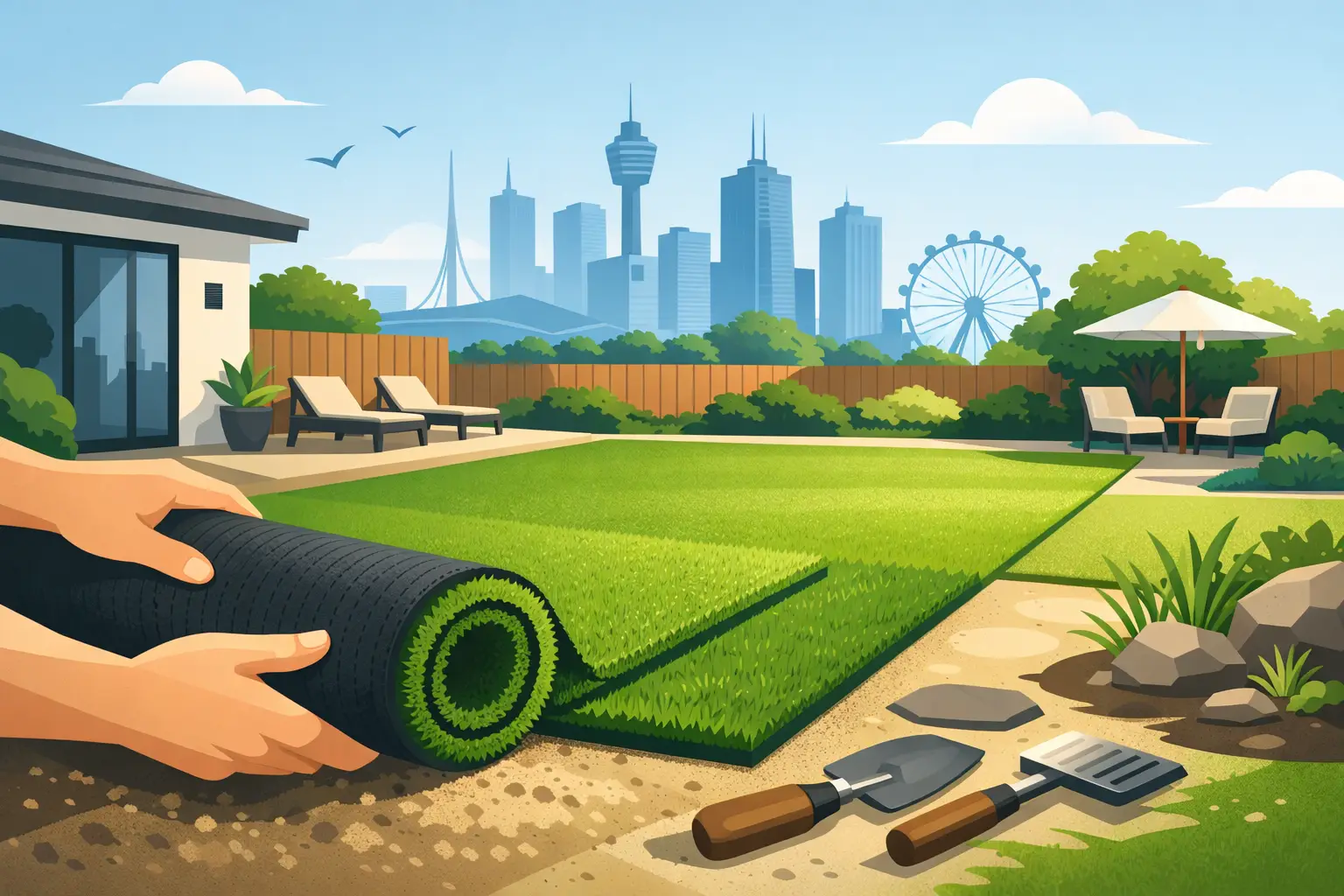
A patchy lawn can make an otherwise great backyard feel unfinished. Mud tracked through the house after rain, bare spots where the dog runs, and weekends spent mowing can quickly take the enjoyment out of outdoor living. With professional artificial grass installation Melbourne homeowners can create a tidy, green space that is ready for family time, barbecues and relaxing outdoors in every season.
Artificial turf is not a one-size-fits-all solution, and the quality of the finished result comes down to much more than the grass itself. The preparation beneath it, drainage around it and how the space will be used all matter. A well-planned installation can turn an uneven new-build block, tired side yard or neglected entertaining area into a practical part of the home.
Why artificial grass suits Melbourne homes
Melbourne weather can be hard on natural lawns. Long dry spells can leave grass brittle and brown, while heavy rain can turn compacted soil into a muddy mess. In growing areas such as Mickleham, Truganina, Wollert, Mernda and Donnybrook, many homeowners are also starting with bare blocks, clay soil or sloping yards that need more than a roll of turf to become usable.
Artificial grass provides the clean, consistent look many families want without regular mowing, fertilising or watering. It can be a smart choice for busy households, investment properties, childcare play areas, small courtyards and commercial frontages where presentation matters.
It is particularly useful in awkward spaces where natural grass struggles, such as narrow side access areas, shaded corners and zones beneath outdoor play equipment. For pet owners, the right turf and drainage system can also make a designated dog area easier to clean and far less likely to turn into a dirt patch.
That said, artificial grass is not automatically right for every part of every property. It can become warm under direct summer sun, especially in exposed north- or west-facing areas. Natural lawn may still be preferable if you enjoy gardening, have a large established yard that grows well, or want cooler ground cover around trees. The best outcome often comes from mixing surfaces thoughtfully, with turf where it brings the most practical benefit and paving, decking, garden beds or natural lawn where they suit the space better.
Artificial grass installation Melbourne: the base makes the difference
A polished artificial lawn starts below the surface. Laying turf directly over uneven soil may look acceptable for a short time, but it often leads to dips, loose edges, poor drainage and a lumpy feel underfoot. Proper groundwork is what gives the lawn a natural appearance and helps it stay that way.
The first step is assessing the area. A contractor should consider existing levels, water flow, access, surrounding garden beds, retaining walls and how the area will be used. A children’s play zone, for example, may need a softer underlay, while a high-traffic walkway needs a firm and stable finish.
Existing grass, weeds, loose soil and unsuitable material are removed before the ground is shaped and compacted. In many Melbourne yards, this is also the point where drainage needs attention. Water should move away from the home and should not sit beneath the turf after rain. Depending on the site, this may involve adjusting levels, creating a gradual fall or incorporating drainage measures before the base is installed.
A compacted crushed rock base is then laid and levelled to provide stability. A finer layer is used to achieve a smooth finish before the turf is positioned, trimmed and secured. The grass grain should face the right direction so the lawn looks consistent from the main viewing area, such as the house, deck or alfresco.
It is detailed work. Seams need to be joined carefully, edges need to be firm, and the finished surface should sit neatly against paving, concrete, garden edging or fences. Rushing this stage can make even premium turf look artificial.
Choosing turf for the way you live
The most realistic-looking grass is not always the best grass for the job. Pile height, density, blade shape and backing strength all influence how a turf product feels and performs.
For a front yard or low-traffic feature area, a softer, fuller turf can create a lush appearance from the street. For a backyard where children play, dogs run and friends gather, a durable product with good recovery is generally the better option. Shorter pile turf may suit balconies, putting areas or pathways because it is easier to brush and tends to sit neatly under regular foot traffic.
Colour also matters. Modern artificial grass uses varied green tones and thatch fibres to avoid the flat, overly bright look associated with older products. Choosing a natural shade that complements your home, fence colour and garden planting will help the lawn feel like part of a complete landscape rather than an isolated addition.
If pets will use the area daily, let your installer know from the start. Pet-friendly turf needs reliable drainage, secure edges and a cleaning routine that works for your household. A hose-down and occasional turf-safe cleaner can help manage odours, while regular brushing keeps the fibres standing upright.
Plan the whole yard, not just the lawn
Artificial turf works best when it is part of a broader outdoor plan. A plain rectangle of grass may improve a bare block, but a considered layout can unlock the full potential of your property.
Think about where people naturally walk from the house to the clothesline, garage, gate or entertaining area. Stepping stones, paving or a concrete path can protect high-use routes and prevent the lawn from carrying all the traffic. Consider where the barbecue, outdoor table, kids’ cubby and pet area will sit before work begins, not after the grass is down.
Garden beds are another way to soften the look of artificial turf and add seasonal colour. Low-maintenance planting around the perimeter can frame the lawn, while retaining walls can turn a sloping block into usable levels. Fencing, gates, decking, pergolas and paving can also be coordinated so every feature feels purposeful.
This is where working with a full-service outdoor team can save time and unnecessary disruption. Instead of organising separate trades for turf, concrete, fencing and landscaping, A2Z Landscaping & Concreting Expert can help shape a connected plan that suits the site, budget and the way your family uses the yard.
Common mistakes that cost more later
The biggest mistake is choosing a turf product based only on price. A cheaper option may be suitable for a small low-use area, but it can flatten quickly or fade sooner in a busy, sun-exposed backyard. It is worth comparing the expected use of the space with the product being proposed.
Poor drainage is another issue that should never be hidden beneath turf. If water already pools near the house or runs towards a neighbour’s property, that problem needs to be addressed during the preparation stage. The same applies to unstable soil, tree roots and major level changes.
Homeowners sometimes overlook edging as well. Turf needs a secure border to prevent movement and keep the finish crisp. Existing pavers, concrete edges, garden edging or purpose-built timber and metal borders can all work, depending on the design.
Finally, avoid treating artificial turf as completely maintenance-free. It is low-maintenance, not no-maintenance. Blowing away leaves, rinsing dusty areas, picking up pet waste and brushing down flattened sections will keep it looking fresh. A little ongoing care protects the investment and makes the outdoor area more pleasant to use.
What to ask before booking an installation
Before accepting a quote, ask what preparation is included and whether excavation, rubbish removal, base materials and edge finishing are clearly allowed for. It is also sensible to ask how drainage will be managed, what turf is recommended for your intended use, and whether adjoining surfaces such as paving or garden beds will be protected during the work.
A clear quote should help you understand the full scope rather than leaving essential groundwork as an unexpected extra. For larger projects, discussing the wider yard plan at the same time can also prevent new turf needing to be cut or lifted later for a fence, path, retaining wall or deck.
A good artificial lawn should make life outdoors easier, not give you another project to manage. Start with an honest conversation about your block, how you want to use it and what is getting in the way now. With the right preparation and a practical design, that unused patch of yard can become the clean, welcoming outdoor space your household reaches for every day.
No Responses