

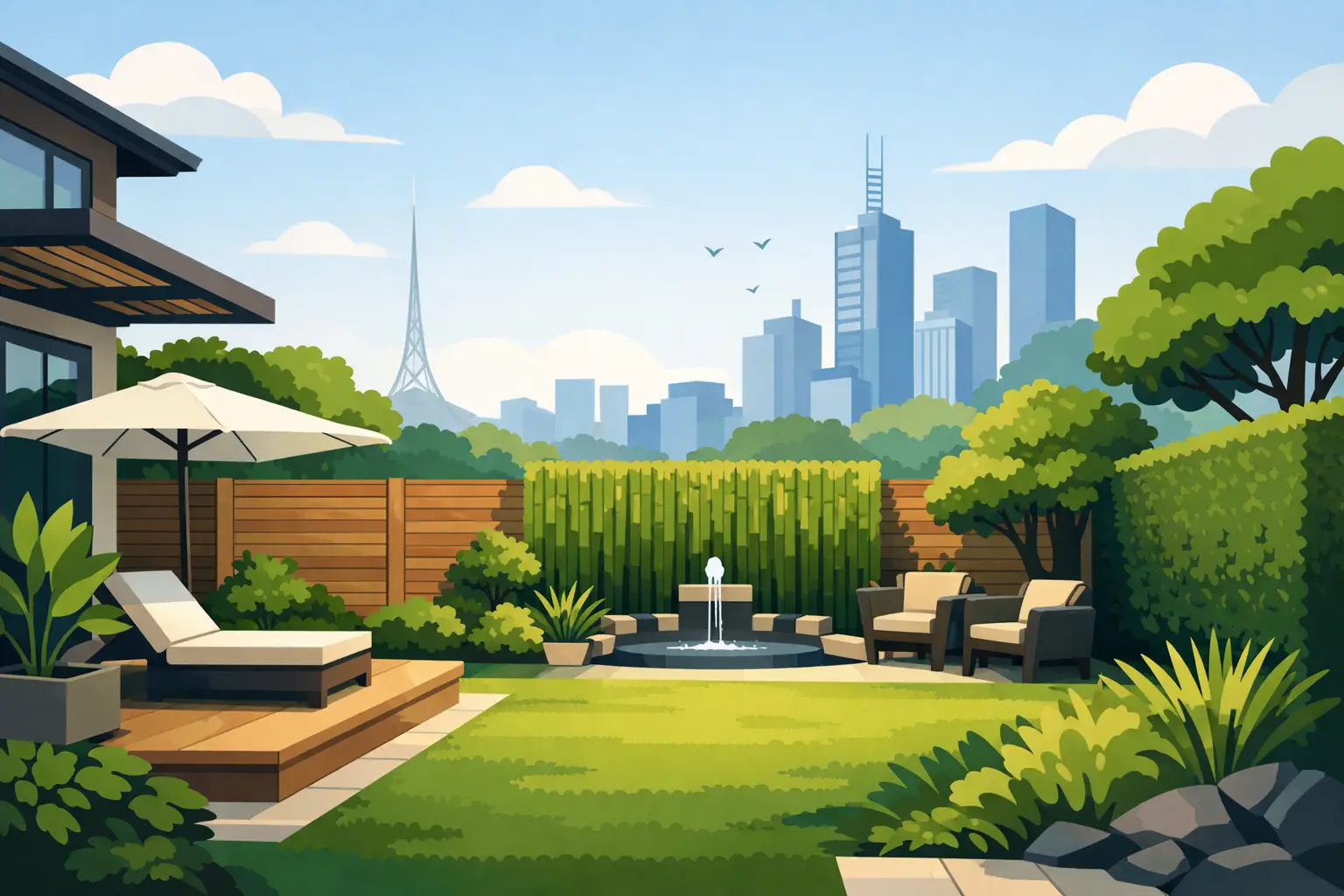
A backyard should feel like part of your home, not a space where every barbecue, kids’ game or quiet cuppa is on display to the neighbours. If you are wondering how to make backyard more private, the best answer is rarely one tall fence. A well-planned mix of fencing, planting, screens and outdoor structures can create a comfortable retreat while making your Melbourne property look more finished and inviting.
For new-build homes in Mickleham, Donnybrook, Wollert, Mernda and Truganina, privacy often becomes obvious as soon as surrounding homes are completed. On older blocks, it may be a worn fence, an overlooked patio or a yard that simply has no defined outdoor living area. The right solution depends on where the views come from, how you use the space and how much ongoing maintenance you want.
Start by finding the privacy problem
Before choosing plants or panels, stand in the yard at the times you use it most. Sit where you would normally sit for lunch, stand near the clothesline, look out from the living room and check the view from neighbouring windows or raised decks. Privacy issues are often more specific than they first appear.
A side boundary may need screening only around a dining area. A neighbour’s second-storey window may look directly into the patio, while the rest of the backyard is already private. A front-facing corner of a new block might need a gate or feature fence that creates separation without making the entry feel closed in.
This simple check helps you spend your budget where it will make the greatest difference. There is no need to build a high barrier around every metre of the property if one well-positioned screen can protect the space where your family actually relaxes.
How to make backyard more private with fencing
Boundary fencing is usually the foundation of a private yard. A solid timber paling fence remains a practical choice for many Melbourne homes because it provides immediate coverage, suits a wide range of garden styles and can be stained or painted to complement the house. Colorbond fencing is another durable option, particularly where a clean, low-maintenance finish is the priority.
The best fence is not always the tallest one. Height limits, shared-boundary responsibilities and local requirements can affect what is possible, so it is sensible to check these before work starts. If your existing fence is structurally sound but looks tired, it may be possible to improve its appearance with a fresh finish, timber capping, built-in planter boxes or a decorative screen section rather than replacing it entirely.
For a more polished result, think beyond the boundary line. A feature fence near a patio, pool area or outdoor kitchen can create a second layer of privacy and give the yard a stronger sense of design. It also lets you introduce warmer materials, such as timber battens, without needing to rebuild the whole perimeter.
Use slatted screens where airflow matters
Slatted timber or aluminium screens are ideal when you want privacy without blocking light and breezes. They work particularly well beside a deck, around a pergola, near an alfresco area or along a narrow side yard. The gaps between battens soften the view instead of creating a blank wall, which can make a compact backyard feel less boxed in.
Screen direction matters. Horizontal slats can make a narrow space feel wider, while vertical battens can add height and a more contemporary look. If overlooking is the issue, use a screen tall enough to interrupt the sightline from the neighbour’s window, not just at ground level.
Keep in mind that open screens offer visual filtering rather than complete privacy. For a busy side boundary, they are often best paired with dense planting or a solid fence behind them.
Add living privacy with the right planting
Plants bring softness to fences and screens, reducing the hard, enclosed feeling that can come with too much built structure. They also add colour, shade and a calmer outlook from inside the home. However, a privacy hedge should be chosen for the block, not just for the look it has on the day it is planted.
For a neat, evergreen screen, consider plants that suit Melbourne conditions and your available space. Lilly pilly varieties are popular for lush hedging, while clumping bamboo can be effective in the right location when contained and properly maintained. Native shrubs and small trees can offer a more relaxed garden style, attract birdlife and cope well with changing weather conditions.
Allow enough room between plants and the fence for roots, watering and access. A hedge planted too tightly may look full quickly, but it can struggle over time and become harder to prune. In a narrow yard, slim planter beds with vertical planting may be more practical than large shrubs that take over the entertaining area.
If you want fast privacy, use a layered approach. A fence gives immediate coverage, while young plants grow into the space over the following seasons. This avoids relying on mature trees that can be expensive to move, difficult to establish and sometimes unsuitable close to paving, drainage or footings.
Be careful with fast-growing choices
Fast growth sounds appealing when neighbours are close, but it comes with ongoing work. Some plants need frequent trimming to stay tidy, while large root systems can interfere with paving, retaining walls or nearby services. Deciduous vines can look beautiful over a pergola but may leave the space exposed through winter.
Choose planting based on the level of care you are happy to give it. A low-maintenance garden with irrigation, mulch and well-selected evergreen plants will usually serve a busy family better than a high-maintenance hedge that becomes a weekend chore.
Create a private outdoor room with a pergola
A pergola does more than provide shade. When planned with privacy in mind, it can turn an exposed concrete area or deck into an outdoor room for meals, celebrations and everyday family time. Add a roof, side screens, climbing plants or outdoor blinds and the area feels sheltered without disconnecting it from the garden.
This is especially useful on homes where neighbouring windows look down into the backyard. A roof line or overhead battens can break up direct views from above, while screen panels on the most exposed side offer extra comfort. The result is a space that is more usable in bright summer sun and light rain as well as more private.
Permanent structures need careful positioning. Consider drainage, sunlight, access from the house and the location of existing services before deciding on the size and layout. A pergola that shades the outdoor table is valuable; one that blocks winter light from the living area may not be the right fit.
Use levels and landscaping to soften overlooked yards
Privacy is not always about blocking a view. Sometimes the better approach is to change the way the yard is arranged. Retaining walls, raised garden beds, paved zones and decking can create gentle separation between areas, so the main entertaining space feels more enclosed and intentional.
For example, a raised planter along a boundary can lift greenery into the line of sight while providing a finished edge for a deck or paved patio. A retaining wall can help manage a sloping block and create level areas for turf, garden beds and seating. On a new estate block where every backyard is flat and open, these changes add depth that a fence alone cannot provide.
Turf also plays a role. A clean lawn area gives children and pets a place to play, while garden beds and paved entertaining zones define where people gather. When each part of the yard has a clear purpose, the outdoor space feels more private because it feels like it belongs to your household rather than an open gap between houses.
Do not overlook gates, side paths and small gaps
Many privacy issues come from the spaces people forget: the side path beside the house, a gap near the gate, an exposed bin area or a direct view from the driveway into the backyard. A matching gate, short return fence or narrow screen can make a major difference to how secure and settled the property feels.
These details are also important for families with young children and pets. A gate should be practical to use, properly aligned and designed to work with the overall fence, not treated as an afterthought. Good access planning means you can move bins, garden equipment and furniture around the yard without compromising privacy or safety.
Bring the whole plan together
The most successful private backyards use materials and planting that suit the home, the block and the way the owners live. A modern property may suit Colorbond fencing with timber-look screens and structured garden beds. A more established home might look better with warm timber fencing, layered shrubs and a paved patio framed by greenery.
Trying to coordinate fencing, decking, paving, turf, retaining walls and planting through separate trades can make even a simple project feel stressful. A2Z Landscaping & Concreting Expert helps Melbourne property owners plan these elements as one outdoor living project, from an initial conversation through to a finished space built for real family life.
A private backyard does not need to feel shut away. With the right balance of screening, greenery, shade and usable surfaces, it can become the comfortable outdoor retreat you look forward to using every day. Start with the view you want to remove, then build a yard your family will be happy to share with the people you choose to invite in.
No Responses